
Whoa, this feels outdated. I used to trust paper seed phrases for cold storage. They were cheap, simple, and felt offline and secure. But after years of moving coins around, watching phishing scams evolve, and losing friends’ coins to careless backups, my instinct said somethin’ didn’t add up and I started looking for something better. Here’s what bugs me about paper backups: they’re fragile.
Seriously, not ideal. Something felt off about leaving my only recovery phrase in a desk drawer. Initially I thought more copies would solve the risk, though actually that just increased exposure. On one hand, redundancy reduces single-point failures, but on the other, copying sensitive data multiplies attack vectors and human error, and that contradiction nudged me toward hardware-based cold storage that keeps secrets on a tamper-resistant device. My gut said NFC smart cards could be the sweet spot.
Wow, the tech’s elegant. NFC smart cards like Tangem compress a private key into a tiny tamper-proof chip. You tap to sign; the phrase never gets written down. That simplicity matters because human behavior is messy—people lose papers, misplace drives, and misread tiny handwriting, and when a backup strategy needs rituals or spreadsheets it’s doomed to fail within a year or two with even otherwise careful users. There are tradeoffs, of course, and not all devices are equal.
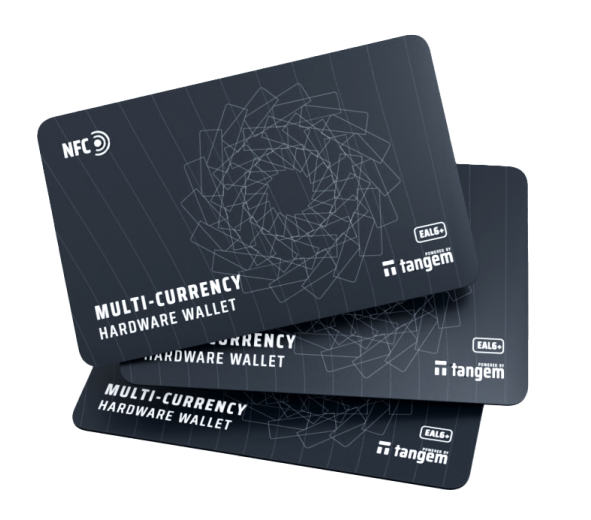
Real-world testing and why I recommend the tangem wallet
Okay, so check this out—I’ve tested a few NFC cards and my favorite design balances security, usability, and cost. For a real-world test I used the tangem wallet. It fit in my wallet and signed transactions over NFC with a single tap. If you’re the kind of person who hates rituals and wants a near-invisible cold key that still performs on demand, this approach reduces friction dramatically while preserving offline security assumptions, though you still must protect the physical card.
Hmm… I worried. Hardware wallets shift the risk from memorized phrases to physical custody and device integrity. You avoid mass duplication, but you gain a single object to lose or have stolen. So the right operational model is layered: keep a primary NFC card in your day-to-day wallet, store a second card in a safe deposit box or a trusted relative’s lockbox, and keep a tamper-evident backup plan that doesn’t depend on a scanned photo—because screenshots are a terrible idea and criminals love them. I’m biased, but I prefer this multi-card cold model.
Whoa—supply chain matters. Cheap knockoffs and cloned firmware are real security threats for sure. Validate serial numbers, buy from verified dealers, and check for signed firmware updates. On the other hand, even perfect devices can’t save you if your mental model is flawed—if you treat the card like a toy and share backup PINs in chat groups, the technical security evaporates instantly, so training and simple SOPs matter as much as cryptographic robustness. My team once found a user who wrote their PIN on the back of their NFC card (oh, and by the way…) — very very important to avoid that.
Here’s the thing. Cold NFC cards aren’t magic, but they are pragmatic and modern. Initially I thought this was only for power users, but after watching friends stop making sloppy paper copies, reducing lost seed incidents, and enjoying the muslin-thin convenience of a card that fits in a driver’s license slot, I changed my mind about who should consider them. I’m not 100% sure, but for most people upgrading from paper it’s a clear step forward. Try one, test it, and make a plan that survives a move, a breakup, and a fire.
FAQ
Are NFC smart cards as secure as traditional hardware wallets?
They can be. NFC cards that store keys in secure elements provide comparable protection against remote extraction because the private key never leaves the chip. However, different models have different certification levels and supply-chain risks, so evaluate attestation, firmware signing, and vendor reputation before trusting any device fully.
What happens if I lose my NFC card?
If you lose a single card you’ll need your backup card or recovery strategy to regain access. That’s why a multi-card plan is smart: one active, one in a secure secondary location. I’m not saying this is perfect—nothing is—but it’s a lot better than a lone paper sheet hidden in a drawer that could get shredded, misplaced, or photographed by mistake.